
Private Pizza Lessons in Rome: Learn to Make Pizza
Updated: 6 days ago
Learning to make pizza in Rome is an experience that combines tradition, flavor, and fun. Pizza is a symbol of Italian cuisine, and making it with your own hands provides a unique satisfaction. Private pizza lessons in Rome offer an exclusive opportunity to discover the secrets of this culinary art. In this article, I will explain how a private lesson works, what to expect, and why to choose this experience.
Why
Opting for a Private Pizza Lesson in Rome
A private pizza lesson in Rome allows you to fully focus on learning. You are not in a large group, so you can ask questions, receive personalized advice, and work at your own pace. This type of lesson is ideal for those who want a tailored experience, whether you are a beginner or already have some knowledge.
Durante la lezione, impari a preparare l’impasto perfetto, a stenderlo correttamente e a scegliere gli ingredienti giusti per la farcitura. Inoltre, scopri i tempi di lievitazione e la cottura ideale per ottenere una pizza fragrante e leggera. Il tutto in un ambiente professionale e accogliente, tipico delle scuole di cucina di Roma.
How to Structure a Private Pizza Lesson in Rome
When planning a private pizza lesson in Rome, it’s essential to create a structured and enjoyable experience for your participants. Here’s a suggested outline for the lesson:
1. Introduction
Welcome participants and introduce yourself.
Share your background and experience with pizza making.
Discuss the objectives of the lesson.
2. Overview of Pizza History
Briefly explain the origins of pizza in Italy.
Discuss different styles of pizza, focusing on Roman pizza.
Introduce key ingredients and their significance.
3. Ingredients and Tools
List the necessary ingredients (flour, water, yeast, salt, toppings).
Show the tools needed (mixing bowl, rolling pin, baking tray, oven).
Discuss the importance of using high-quality ingredients.
4. Dough Preparation
Demonstrate how to make pizza dough from scratch.
Explain the fermentation process and its importance.
Allow participants to practice making their own dough.
5. Sauce and Topping Preparation
Show how to prepare traditional pizza sauce.
Discuss various toppings and their combinations.
Encourage participants to choose their own toppings.
6. Assembling the Pizza
Demonstrate how to stretch and shape the dough.
Guide participants in assembling their pizzas with sauce and toppings.
7. Baking the Pizza
Explain the baking process and optimal temperatures.
Allow participants to bake their pizzas in the oven.
8. Tasting and Feedback
Once the pizzas are baked, let participants taste their creations.
Encourage sharing of experiences and feedback.
9. Conclusion
Summarize key points from the lesson.
Provide tips for making pizza at home.
Thank participants for joining and invite them to ask questions.
10. Optional: Takeaway Recipes
Provide printed recipes for dough, sauce, and topping ideas.
Encourage participants to recreate the experience at home.
This structured approach ensures that participants not only learn how to make pizza but also enjoy the cultural experience associated with it.
The private lesson starts with a short introduction to the basic ingredients: flour, water, yeast, salt, and oil. The selection of quality products, which are vital for a successful outcome, is discussed. Following this, the dough preparation takes place, marking the most important stage.
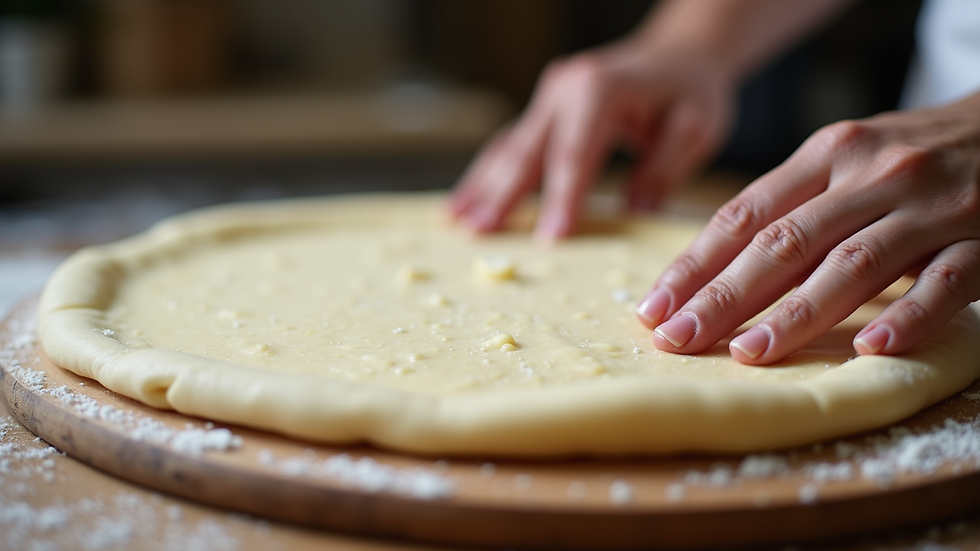
The expert pizzaiolo guides you through every step. He teaches you how to knead the dough by hand, let it rest, and stretch it without tearing. Once the base is prepared, you move on to the topping. You have the option to choose between classic options or experiment with local ingredients.
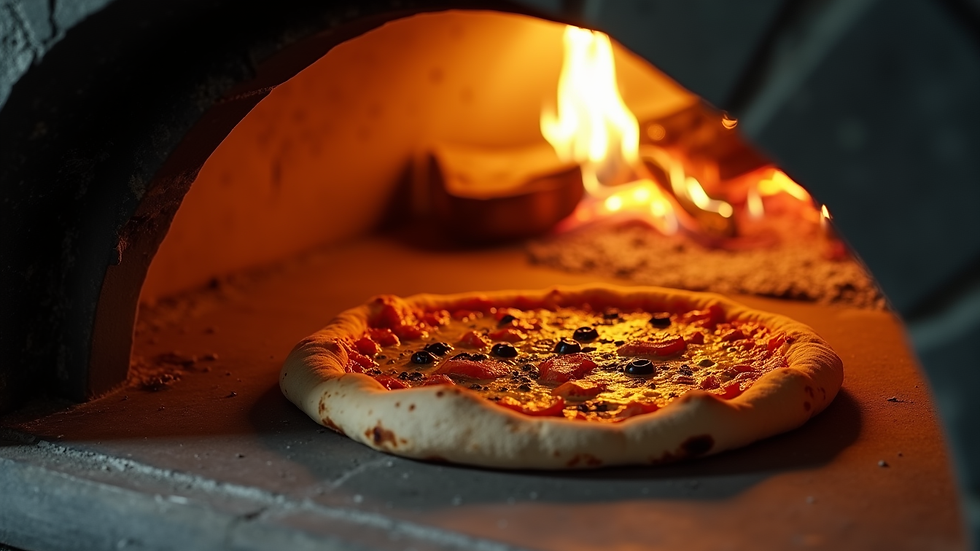
In the end, the pizza is cooked in a wood-fired oven, which gives it that distinctive flavor and characteristic crispness. During the cooking process, you will receive tips on how to identify the ideal moment to take the pizza out of the oven.
What to Expect from a Private Pizza Lesson in Rome
Participating in a private pizza lesson in Rome is an exciting and immersive experience. Here’s what you can expect during your culinary adventure:
1. Introduction to Italian Pizza
Your lesson will typically begin with an introduction to the history and types of Italian pizza. You will learn about the regional differences, particularly between Neapolitan and Roman styles.
2. Ingredients Overview
Expect to be introduced to the key ingredients used in pizza making. This includes:
Flour types
Yeast
Water
Salt
Tomato sauce
Cheese and toppings
3. Hands-On Dough Preparation
You will have the opportunity to make your own pizza dough from scratch. This involves:
Measuring and mixing ingredients
Kneading the dough
Letting it rise
4. Shaping the Pizza
Learn the traditional techniques for shaping the pizza base. Instructors will guide you on how to stretch and shape the dough without tearing it.
5. Topping Your Pizza
Once your base is ready, it’s time to add toppings. You will learn how to create a balanced pizza with the right amount of sauce, cheese, and toppings.
6. Cooking Techniques
Depending on the facilities available, you may cook your pizza in a traditional wood-fired oven or a modern pizza oven. Your instructor will explain the best practices for achieving the perfect crust.
7. Tasting Your Creation
After cooking, you will get to enjoy the pizza you made. This is often accompanied by local wines or other beverages, enhancing the overall experience.
8. Tips and Tricks
Your instructor will share valuable tips and tricks for making pizza at home, including advice on ingredient sourcing and cooking methods.
9. Cultural Insights
Throughout the lesson, you may also receive insights into Italian culture, food traditions, and the significance of pizza in Italian society.
10. Takeaway Experience
Finally, you may receive a recipe card or other materials to help you recreate the experience at home, ensuring you can impress friends and family with your newfound skills.
Overall, a private pizza lesson in Rome is not just about cooking; it’s a holistic experience that combines culinary skills with cultural appreciation.
Partecipare a una private pizza lesson rome significa vivere un’esperienza autentica e pratica. Non si tratta solo di guardare o ascoltare, ma di mettere le mani in pasta. La lezione dura generalmente 2-3 ore, tempo sufficiente per imparare tutte le fasi e gustare la pizza appena fatta.
Questa esperienza è perfetta per gruppi, famiglie o coppie che vogliono condividere un momento speciale. È anche un’ottima idea per eventi privati o team building, perché unisce divertimento e apprendimento.
Practical Tips for Participating in a Private Pizza Class in Rome
1. Choose the Right Class
Before booking a pizza class, research different options available in Rome. Look for classes that suit your skill level, whether you are a beginner or more experienced.
2. Check Reviews
Read reviews from previous participants to gauge the quality of the class and the instructor. Websites like TripAdvisor or Yelp can provide valuable insights.
3. Dress Appropriately
Wear comfortable clothing and closed-toe shoes. You may be standing for long periods and working with flour and dough, so consider wearing an apron as well.
4. Arrive on Time
Punctuality is important. Arriving on time ensures you don’t miss any important instructions or the opportunity to get to know your fellow participants.
5. Bring an Open Mind
Be prepared to learn and try new things. Pizza making can be a fun and creative process, so embrace the experience.
6. Ask Questions
Don’t hesitate to ask the instructor questions if you are unsure about any steps. They are there to help you improve your skills and enjoy the class.
7. Practice at Home
After the class, practice making pizza at home. This will help reinforce what you learned and allow you to experiment with different ingredients and techniques.
8. Enjoy the Experience
Lastly, remember to have fun! Enjoy the process of making pizza and the opportunity to learn about Italian cuisine in the heart of Rome.
To make the most of your private pizza lesson in Rome, follow these tips:
Choose the Right Class
Look for a class that matches your skill level and interests. Whether you are a beginner or have some experience, there are options available for everyone.
Ask Questions
Don’t hesitate to ask the instructor questions. This is your opportunity to learn, so take advantage of their expertise.
Practice Techniques
Focus on the techniques being taught. Practice makes perfect, and this is your chance to refine your skills.
Engage with Other Participants
Interact with fellow participants. Sharing tips and experiences can enhance your learning experience.
Enjoy the Experience
Remember to have fun! Cooking is an art, and enjoying the process is just as important as the final product.
Take Notes
If possible, take notes during the lesson. This will help you remember the steps and techniques when you try to make pizza at home.
Try Different Recipes
Experiment with various recipes and toppings after your lesson. This will help you develop your own style and preferences.
Share Your Pizza
Share your creations with friends and family. This not only allows you to showcase your skills but also makes for a delightful experience for everyone involved.
Book in Advance: Private lessons are in high demand, especially during peak season.
Wear Comfortable Clothes: You will be working with flour and dough, so it's best to avoid delicate clothing.
Arrive on Time: Every minute is precious for learning.
Bring Curiosity and a Willingness to Experiment: Pizza is an art, but also a play.
Don't Rush: The dough needs time to rise.
ione e la cottura richiedono tempo, rispettali per un risultato perfetto.
Benefits of Learning to Make Pizza in Rome
Learning to make pizza in Rome is not just a fun activity. It allows you to gain a deeper understanding of Italian culture and appreciate the quality of local ingredients. Furthermore, once you master the technique, you can replicate the recipe at home, impressing friends and family.
Private lessons offer a personalized experience that is hard to find in group courses. You can focus on what interests you the most, whether it's Neapolitan or Roman pizza, and receive immediate feedback.
This experience is also a way to discover Rome from a different perspective, connecting with the culinary traditions of the city.
Organizing an Event with Private Pizza Lessons in Rome
Private pizza lessons in Rome are perfect for special events. Whether it's a birthday party, a bachelor or bachelorette party, or a corporate team-building event, learning to make pizza together creates an atmosphere of collaboration and fun.
You can choose to organize the lesson in a cooking school or request a home service. In both cases, the result will be a memorable and tasty experience.
For those looking for an even more exclusive option, it is possible to combine the lesson with catering services or a private chef, for a complete and worry-free event.
Discover Your Passion for Pizza with a Private Lesson in Rome
If you want to experience something authentic and hands-on, a private pizza lesson in Rome is the right choice. It allows you to learn from professionals, immediately practice the techniques, and enjoy the fruits of your labor.
Don't miss the chance to discover the secrets of Italian pizza in a city that is its birthplace. Book your private lesson and start making pizza like a true pizzaiolo.
I look forward to sharing this unique and delicious experience with you. Enjoy your meal!

Comments