

The Complete Guide to Cooking Classes in Rome
Everything You Need to Know Before Booking an Authentic Italian Cooking Experience
Introduction
Rome is one of the best cities in the world to experience Italian food, but choosing the right cooking class can be surprisingly difficult.
A quick search reveals dozens of options: pizza classes, pasta workshops, market tours, gelato lessons, wine experiences, private chefs and large group activities. At first glance, many of them look similar, but the actual experience can vary significantly depending on the teaching style, group size, location, ingredients, equipment and level of participation.
Some classes are mainly demonstrations, while others are fully hands-on. Some focus on one recipe, while others combine several techniques in the same experience. Some take place in small city-center kitchens, while others offer larger dedicated venues outside the historic center.
This guide is designed to help you understand those differences and choose the cooking class in Rome that best matches your expectations, travel style, budget and level of interest in Italian cuisine.

Shared or Private Cooking Classes: Which One Is Right for You?
One of the first decisions you’ll face is whether to book a shared cooking class or a private culinary experience. Neither option is universally better—the right choice depends on your travel style, budget and expectations.
Shared cooking classes are the most popular option for tourists visiting Rome. They usually bring together small groups of international guests who cook, learn and dine together. For many travelers, this social atmosphere becomes one of the highlights of the experience, offering the opportunity to meet people from different countries while sharing a passion for Italian food.
Private cooking classes, on the other hand, provide exclusive access to the instructor and can often be tailored to specific interests, dietary requirements or skill levels. They are particularly popular among couples celebrating special occasions, families with young children, groups of friends and food enthusiasts looking for a more personalized learning experience.
When comparing the two, it’s worth considering several factors beyond the price. Group size, level of interaction with the instructor, flexibility, personalized menus, available time and overall atmosphere can all influence the final experience.
Rather than asking which option is “better,” it’s more useful to ask which one best fits the type of experience you want to enjoy during your stay in Rome.

Does Location Matter?
When choosing a cooking class in Rome, many travelers naturally assume that the closer the venue is to the city’s famous landmarks, the better the experience will be. While a central location can certainly be convenient, it is only one of many factors worth considering.
Rome’s historic center is home to countless restaurants, apartments and small venues offering cooking experiences. These locations allow visitors to combine sightseeing with a culinary activity, often within walking distance of major attractions such as the Colosseum, Piazza Navona or the Pantheon.
However, space in the historic center is naturally limited. Many cooking classes take place in compact kitchens, restaurant dining areas or multipurpose spaces where room, equipment and participant comfort may be restricted.
Cooking schools located just outside the busiest tourist districts often benefit from purpose-built educational facilities designed specifically for hands-on culinary experiences. Larger workstations, professional equipment, traditional wood-fired ovens and dedicated teaching areas can provide a more comfortable environment where every participant has enough space to actively prepare recipes from start to finish.
Another aspect worth considering is transportation. Some schools outside the city center provide complimentary shuttle services from convenient metro stations, making the venue easy to reach while allowing guests to enjoy a quieter and more spacious learning environment.
Rather than focusing exclusively on the address, travelers should consider the overall quality of the experience. A few additional minutes of travel can often result in significantly better facilities, greater comfort and a more enjoyable cooking class.
Ultimately, the best cooking class is not necessarily the one located closest to the city’s monuments, but the one that offers the most authentic, engaging and educational experience.

Dedicated Cooking Schools vs Home Kitchens and Restaurant Spaces
One of the most overlooked aspects when booking a cooking class in Rome is the venue itself. While recipes and reviews often receive the most attention, the environment where the class takes place can have a significant impact on the overall experience.
Cooking classes in Rome are hosted in a variety of settings. Some are organized in private homes, where guests can enjoy a warm and informal atmosphere. Others take place inside restaurants, often before or between regular service hours, allowing participants to experience a professional hospitality environment.
A third option is a dedicated cooking school—an educational space specifically designed for teaching culinary techniques rather than serving customers or functioning as a private residence.
Each type of venue has its own character and may appeal to different travelers. Home kitchens can offer a personal and intimate experience, while restaurant venues may provide an interesting behind-the-scenes look at a working kitchen.
Dedicated cooking schools, however, are typically planned with education as their primary purpose. They usually offer larger workstations, professional equipment, dedicated preparation areas and layouts designed to allow every participant to cook comfortably and actively throughout the entire experience.
These purpose-built environments are often better suited for accommodating families, private groups, corporate events and guests with different levels of cooking experience. They also allow instructors to focus entirely on teaching without the operational demands of a restaurant or the space limitations of a private home.
When comparing different cooking classes, it’s worth considering not only what you will cook, but also where you will cook. A well-designed educational environment can make learning easier, participation more enjoyable and the overall experience considerably more memorable.
Ultimately, the best venue is the one that allows you to relax, participate fully and focus on discovering authentic Italian cuisine in the most comfortable and engaging way possible.

Dietary Requirements and Allergies
Modern cooking schools are increasingly accustomed to welcoming guests with different dietary preferences and food restrictions. Vegetarian, vegan and certain allergy-related requests can often be accommodated when communicated in advance.
However, travelers should remember that not every cooking environment can safely accommodate every dietary requirement. Kitchens where wheat flour is regularly handled, for example, may not be suitable for guests with celiac disease because cross-contamination cannot always be avoided.
When booking a cooking class, it is always advisable to inform the organizers about allergies, intolerances or special dietary needs before arrival. This allows instructors to explain available options and, when possible, prepare suitable alternatives.

Cooking Classes for Families and Children
Cooking is one of the few activities that naturally brings together people of different generations. For many families visiting Rome, preparing authentic Italian recipes together becomes one of the most memorable moments of the entire trip.
Family-friendly cooking classes are typically designed to encourage participation from both adults and children. Instead of simply observing, younger guests can help prepare dough, shape pasta, decorate pizzas and take part in simple tasks appropriate for their age.
Parents should consider factors such as minimum age requirements, safety measures, available space and the level of hands-on participation offered to younger guests. A well-organized family class balances learning with entertainment, ensuring that both children and adults remain actively engaged throughout the experience.
Rather than focusing solely on technical cooking skills, family classes often emphasize teamwork, creativity and shared memories, making them an excellent activity for parents, grandparents and children travelling together.

Final Thoughts: Choosing the Right Cooking Class in Rome
Choosing a cooking class is ultimately a personal decision. Some travelers are looking for a fun social activity, others want to master authentic Italian techniques, while many simply hope to create lasting memories during their stay in Rome.
By understanding the differences between teaching styles, venues, group sizes, levels of participation and included services, you’ll be able to choose an experience that truly matches your expectations.
Whatever your choice, a well-organized cooking class offers much more than a meal. It provides practical skills, cultural insight and the opportunity to experience Italian cuisine in a way that few restaurants alone can offer.

What Types of Cooking Classes Are Available in Rome?
Rome offers a surprisingly wide range of culinary experiences, each designed for different interests, skill levels and travel styles. While many visitors simply search for “the best cooking class in Rome,” the truth is that there isn’t one perfect experience for everyone. The ideal class depends on what you want to learn and the type of memory you hope to take home.
The most popular experiences focus on pizza making, where participants learn to prepare authentic dough, stretch the pizza by hand and bake it in a traditional wood-fired oven. Others specialize in fresh handmade pasta, teaching classic techniques for creating fettuccine, ravioli, tagliatelle or regional pasta shapes using simple Italian ingredients.
Some cooking schools combine both disciplines in a single experience, allowing guests to prepare a complete Italian meal from scratch. These combination classes have become increasingly popular because they offer a broader introduction to Italian cuisine within a single session.
Beyond pizza and pasta, visitors can also find experiences dedicated to gelato, tiramisù, bread making, wine tasting, market tours with local chefs and even private dining experiences where a professional chef cooks directly in a villa or apartment.
There are also important differences in the teaching style. Some classes are primarily demonstrations where participants observe the chef before tasting the final dishes. Others are fully hands-on, giving every guest the opportunity to prepare the recipes personally under professional guidance.
Understanding these different formats is the first step toward choosing an experience that truly matches your expectations rather than simply selecting the first class that appears in an online search.
What Makes a Cooking Class Truly Hands-On?
One of the most frequently misunderstood aspects of a cooking class is the meaning of the term hands-on. Many experiences use this expression in their descriptions, but the level of participation can vary considerably from one class to another.
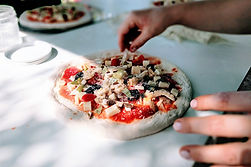
In a truly hands-on cooking class, every participant actively prepares the recipes from start to finish. Rather than simply observing a chef, guests measure ingredients, knead dough, shape pizza, prepare fresh pasta, assemble recipes and cook their own creations under professional guidance.
Other experiences may involve only limited participation. In some cases, the instructor prepares most of the recipes while guests watch demonstrations before tasting the finished dishes. Although these classes can still be enjoyable, they provide a very different learning experience.
When comparing different cooking schools, it’s worth asking exactly what you will do during the class. Will every participant prepare their own pizza? Will everyone make fresh pasta by hand? Will you actually work with the ingredients yourself, or mainly observe the chef?
For travelers who genuinely want to learn techniques they can recreate at home, active participation often becomes one of the most valuable parts of the experience. The confidence gained by preparing each recipe personally is very different from simply watching someone else cook.
Choosing a class that encourages real participation usually results in a more engaging, educational and memorable experience for guests of all ages.

Group Size: Why It Can Make a Big Difference
The number of participants has a direct impact on the quality of any cooking class, yet it is often overlooked when making a reservation.
Smaller groups generally allow for more personal interaction with the instructor, more opportunities to ask questions and greater individual attention throughout the class. Participants also tend to spend more time actively cooking rather than waiting for their turn.
Larger groups can create a lively and enjoyable atmosphere, especially for travelers who enjoy meeting people from different countries. However, if the group becomes too large, individual guidance may naturally become more limited and the experience can feel less personal.
When comparing cooking classes, it’s useful to check not only the maximum number of participants, but also how the class is organized. Well-structured experiences maintain a balance between social interaction and individual participation, ensuring that every guest remains actively involved from beginning to end.
Ultimately, the ideal group size depends on the teaching method rather than the number alone. A well-organized class with experienced instructors can provide an excellent experience while still giving every participant the opportunity to cook, learn and enjoy the process.

What Should a Good Cooking Class Include?
themselves. The best experiences combine practical learning, authentic ingredients and genuine hospitality, creating an environment where guests not only cook, but also understand the traditions behind Italian cuisine.
While every school offers something different, there are several elements that often distinguish a high-quality cooking experience. Clear step-by-step instruction, active participation, professional equipment, carefully selected ingredients and enough time for every participant to prepare the recipes personally are all important factors.
Rather than focusing on the number of dishes prepared, it is often more valuable to consider how much you actually learn during the experience. A smaller number of recipes taught thoroughly can provide far greater value than a long menu prepared mostly by the instructor.
Ultimately, the best cooking classes leave participants with new skills, greater confidence and memories that continue long after returning home.

Questions to Ask Before Booking
Choosing the right cooking class often comes down to asking the right questions before making a reservation.
Consider asking:
• Is the experience fully hands-on or mainly a demonstration?
• What recipes will I prepare personally?
• How many participants are usually in each class?
• Is wine, food or transportation included?
• Are recipes provided after the class?
• Can dietary requirements be accommodated?
• Where does the class actually take place?
• Will I prepare my own pizza or pasta individually?
The answers to these simple questions often reveal far more about the quality of a cooking experience than marketing descriptions alone.

How to Compare Value, Not Just Price
Price is often the easiest number to compare, but it rarely reflects the true value of a cooking class.
When evaluating different experiences, consider everything included in the overall package rather than focusing only on the booking cost. Group size, instructor experience, ingredients, venue quality, equipment, recipes, certificates, transportation, post-class resources and overall organization all contribute to the final value received.
The goal should not simply be finding the cheapest cooking class, but choosing the experience that offers the greatest overall quality for the investment.

Last Updated August 2026
Written by
Giuseppe de Rosa
Souces:
* Associazione Verace Pizza Napoletana (AVPN)
* Accademia Italiana della Cucina
* Associazione Slow Food
* ALFA FORNI SPA
* Polselli SPA
* Marcato Macchine per la Past SPA