
The Secrets of Italian Fresh Pasta
Updated: 6 days ago
Italian cuisine is renowned for its rich flavors, vibrant ingredients, and, of course, its pasta. Fresh pasta, in particular, holds a special place in the hearts of many food lovers. Understanding the nuances behind making fresh pasta can elevate your culinary skills and bring a taste of Italy to your kitchen. This article will explore the secrets of fresh pasta, including its various types, storage methods, and cooking techniques, as well as the different doughs made from various flours.
Types of Fresh Pasta
Fresh pasta comes in many shapes and sizes, each suited for different sauces and dishes. Here are some popular formats:
Tagliatelle: Long, flat ribbons often paired with rich meat sauces.
Fettuccine: Similar to tagliatelle but slightly thicker, perfect for creamy sauces.
Pappardelle: Wide ribbons that hold onto hearty sauces exceptionally well.
Ravioli: Stuffed pasta squares that can be filled with a variety of ingredients.
Gnocchi: Soft dumplings made from potatoes or flour, often served with a sauce.
Lasagna: Sheets of pasta layered with ingredients and baked in the oven.
ridged cavatelli: made with a gnocchi board, easy and quick to make
and numerous others!
Making the Dough
The foundation of fresh pasta lies in its dough, which can be made from various ingredients. The most common types include:
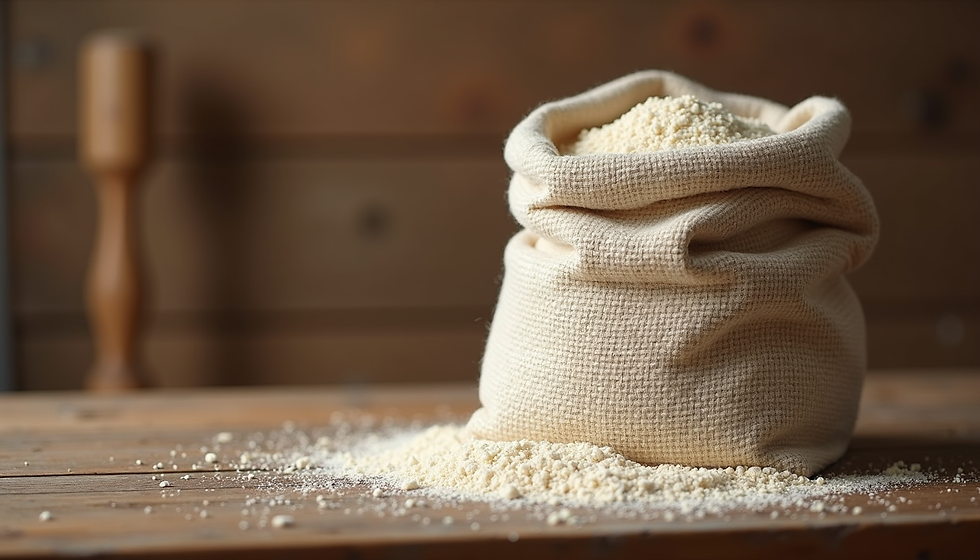
Semola Rimacinata: A finely ground durum wheat flour that gives pasta a firm texture and a slightly yellow hue. It is ideal for traditional pasta shapes.
All-Purpose Flour: A versatile flour that can be used for a variety of pasta types. It produces a softer texture compared to semola.
Egg Pasta: Made with flour and eggs, this dough is rich and flavorful, perfect for making tagliatelle and ravioli.
Water-Based Dough: Used for certain types of pasta, particularly in southern Italy, where water is combined with flour to create a lighter texture.
Storage of Fresh Pasta
Fresh pasta can be stored in several ways to maintain its quality:
Refrigeration: Fresh pasta can be kept in the refrigerator for up to two days. Make sure to cover it with a damp cloth or place it in an airtight container to prevent it from drying out.
Freezing: For longer storage, fresh pasta can be frozen. Spread it out on a baking sheet to prevent sticking, then transfer it to a freezer bag once frozen. It can last for up to three months.
Dried: sun or dehydrator
Cooking Fresh Pasta
Cooking fresh pasta is a straightforward process, but it requires attention to detail:
Boiling: Fresh pasta cooks much faster than dried pasta. Bring a large pot of salted water to a boil, and add the pasta. Cooking times vary by shape but typically range from 2 to 4 minutes.
Testing for Doneness: Fresh pasta should be cooked al dente, meaning it should still have a slight bite. Taste a piece to check for doneness.
Draining and Saucing: Drain the pasta, reserving a little pasta water to help bind the sauce. Combine the pasta with your chosen sauce, using the reserved water to adjust the consistency if necessary.
Conclusion
The art of making fresh pasta is a cherished and time-honored tradition in Italian cuisine that has been passed down through generations. This culinary craft not only highlights the rich cultural heritage of Italy but also showcases the exceptional flavors and textures that can be achieved with fresh ingredients. By understanding the various types of pasta, such as tagliatelle, fettuccine, and orecchiette, along with the nuances of dough preparation, proper storage techniques, and cooking methods, anyone can embark on the rewarding journey of creating delicious, authentic Italian dishes right in their own kitchen.
To begin with, it's essential to familiarize oneself with the different types of pasta that exist. Each shape serves a unique purpose and pairs beautifully with specific sauces and ingredients. For instance, long, thin pasta like spaghetti is perfect for lighter, oil-based sauces, while thicker shapes like rigatoni can hold onto hearty meat sauces. Furthermore, the choice of flour is crucial; traditional pasta is often made from durum wheat semolina, which provides a firm texture, but experimenting with other flours, such as whole wheat or even gluten-free alternatives, can lead to exciting new flavors and textures.
Dough preparation is a fundamental aspect of pasta-making that requires attention to detail. The process typically involves combining flour and eggs, kneading the mixture until it reaches the right consistency, and allowing it to rest. This resting period is vital, as it allows the gluten to relax, making the dough easier to roll out into thin sheets. Additionally, incorporating ingredients like spinach or beet puree can introduce vibrant colors and unique flavors to the pasta, making the dish not only delicious but visually appealing as well.
Once the dough is prepared, proper storage techniques come into play. Fresh pasta can be stored in the refrigerator for a short period or frozen for longer-term use. When freezing, it's essential to ensure the pasta is well-floured and laid out in a single layer to prevent sticking. This allows for easy cooking straight from the freezer, making it convenient for busy weeknight meals.
Finally, mastering the cooking methods is crucial for achieving the perfect al dente texture that is characteristic of fresh pasta. Cooking times are significantly shorter than those for dried pasta, often requiring just a few minutes in boiling salted water. It's important to taste the pasta as it cooks to ensure it reaches the desired level of doneness. Pairing freshly made pasta with a simple sauce, such as a classic marinara or a rich pesto, can elevate the dish to new heights, allowing the flavors of the fresh ingredients to shine through.
In conclusion, embracing the process of making fresh pasta is not merely about the end product; it's about the joy of cooking, the exploration of flavors, and the satisfaction of sharing a meal with loved ones. As you experiment with various flours, shapes, and sauces, you will discover the delightful flavors of fresh pasta that are sure to impress your family and friends. So roll up your sleeves, gather your ingredients, and dive into the world of pasta-making. Buon appetito!


Comments